Infrared vs Traditional Sauna: Which for Home?
Infrared vs traditional sauna for home: temperature, heat-up time, power, cost, experience and health evidence compared, with Clearlight and Redwood examples.
The short answer
Choose infrared if you want an indoor sauna that plugs into a standard outlet and you're happy with about 120–150°F. Choose traditional if you want the classic experience: 160–195°F air and steam from water on the stones. That usually means a 240V circuit and often an outdoor build.
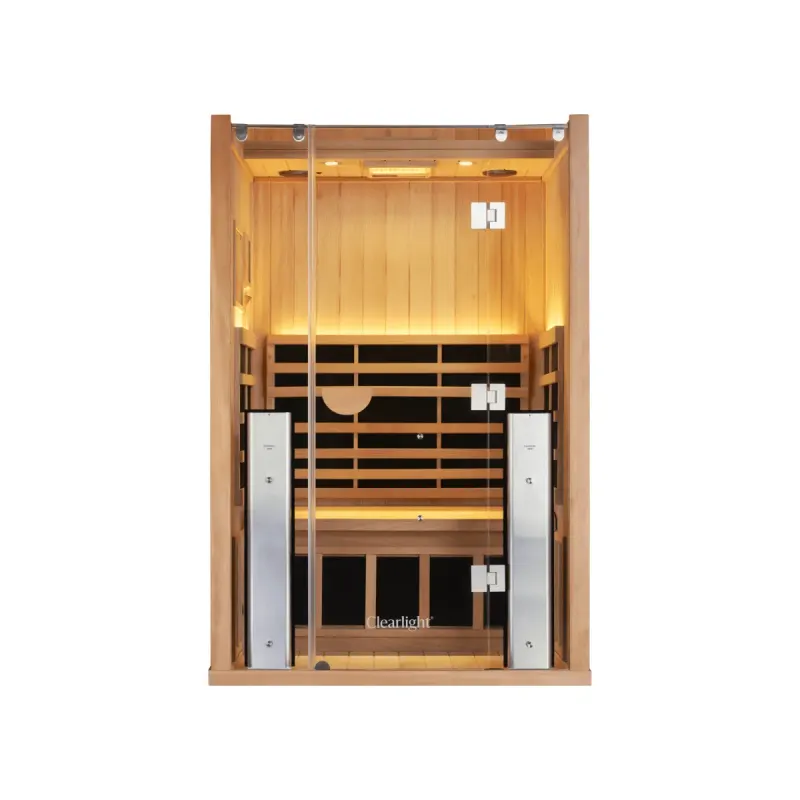
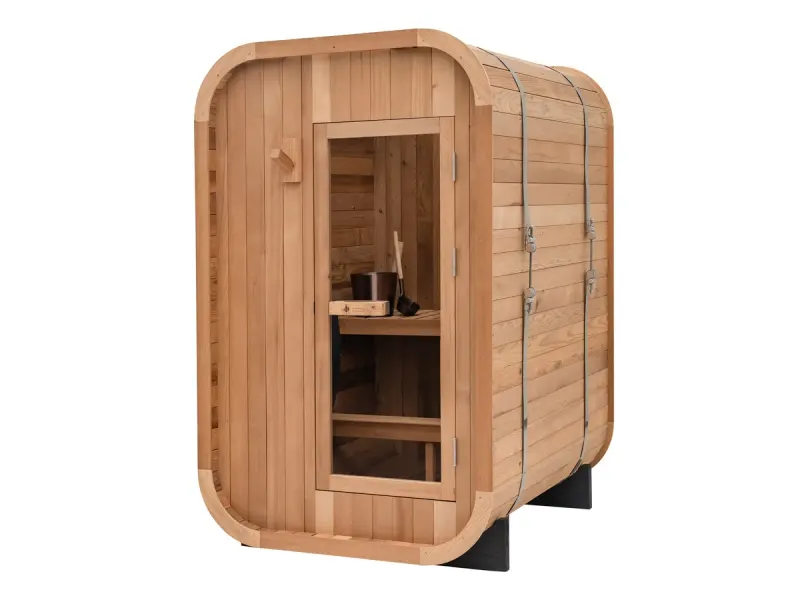
Infrared vs Traditional at a glance
| Heat and experience | Traditional 160–195°F with löyly (steam); infrared runs about 120–150°F. |
|---|---|
| Installation | Infrared Most plug into 120V; traditional heaters usually need 240V. |
| Indoor placement | Infrared Compact cabins fit a spare room or basement. |
| Health research | Traditional Most long-term studies are on Finnish traditional saunas. |
| Running cost | Infrared Lower-wattage heaters use less electricity per session. |
Specs side by side
| Clearlight Sanctuary 2 | Redwood Outdoors Duo | |
|---|---|---|
| Type | Full-spectrum infrared | Traditional (6kW Harvia) |
| Size | 2 people | 2 people |
| Warranty | Limited lifetime (residential) | 1-year limited on sauna; Harvia: 1 year elements, 5 years other parts |
| Price | About $7,000–$8,000 | About $5,900 (heater included) |
| Best for | Buyers who want a sauna that lasts a decade or more | A compact traditional sauna for small yards |
Specs from manufacturer pages; prices checked October 2026.
How they heat
A traditional sauna heats the air with an electric or wood-fired stove and rocks, reaching about 160–195°F, and you pour water on the stones for bursts of steam (löyly). An infrared sauna uses panels that warm your body directly, so the cabin air stays around 120–150°F.
The experience
Traditional saunas feel hotter and more intense, with humidity you control. Infrared feels gentler: you can stay in longer at lower air temperatures and still sweat heavily. Owners of the Clearlight Sanctuary 2 report about 140°F; outdoor traditional saunas like the Redwood Outdoors Duo reach far higher.
Installation and power
Most infrared cabins plug into a 120V circuit and fit indoors. Traditional saunas usually need a 240V circuit, ventilation, and often a concrete pad outside. Owners consistently say electrical and base work added $1,000 or more.
Health evidence
The best-known research followed more than 2,300 Finnish men for about 20 years and linked frequent traditional sauna use with lower rates of fatal cardiovascular disease. That study used traditional saunas and shows an association, not proof. Infrared research is smaller. Be sceptical of detox and weight-loss claims for either.
Which should you buy?
Infrared for an easy indoor sauna on standard power. Traditional for real heat and steam, usually outdoors. See our best infrared saunas, best outdoor saunas and best home saunas.
FAQ
Which is healthier, infrared or traditional sauna?
There's no strong evidence that one is healthier. Most long-term research, including the Finnish study linking frequent sauna use to lower cardiovascular death, was done on traditional saunas. Infrared studies are smaller and shorter. Use whichever you'll enjoy and use regularly.
Why does an infrared sauna feel cooler?
Infrared heats your body directly rather than the air, so the air is around 120–150°F and you still sweat heavily. A traditional sauna heats the air to 160–195°F, which feels much more intense, especially when you pour water on the stones.
Do infrared saunas need a special outlet?
Most two-person infrared cabins need a dedicated 120V/20A circuit; small one-person cabins run on a standard 120V/15A outlet. Traditional electric heaters usually need a 240V circuit installed by an electrician.