Best overall
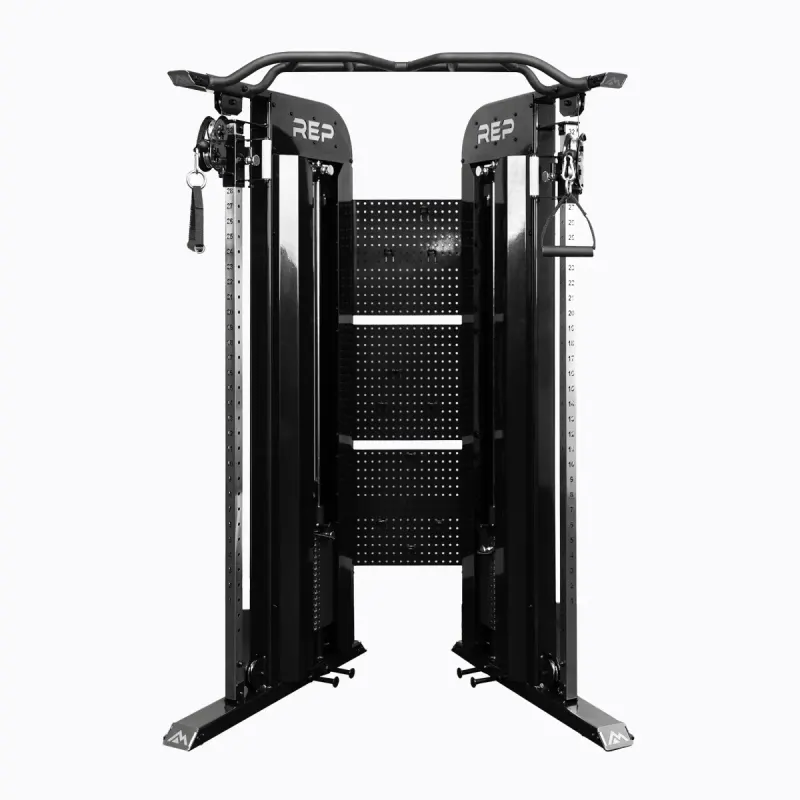
REP Arcadia Functional Trainer
Compact dual-stack trainer, about $2,200.
About $2,200
Check priceThe best cable machines for home gyms in 2026: functional trainers, rack attachments, all-in-ones and digital machines, compared on price, space and warranty.
The best cable machine for most home gyms is the REP Arcadia functional trainer, for about $2,200. If you already own a REP rack, the REP Athena adds cables for about $950 without taking more floor space.
“Cable machine” covers four kinds of equipment: standalone functional trainers, cable attachments for a power rack, all-in-one trainers, and motor-driven digital machines. As of October 2026, we’ve compared the cable machines on the top-ranking review lists with what owners say on r/GarageGym, and checked every price, stack weight and warranty on the brand’s own site. Here’s the best of each type.
Best overall
REP Arcadia Functional Trainer
Compact dual-stack trainer, about $2,200.
About $2,200
Check price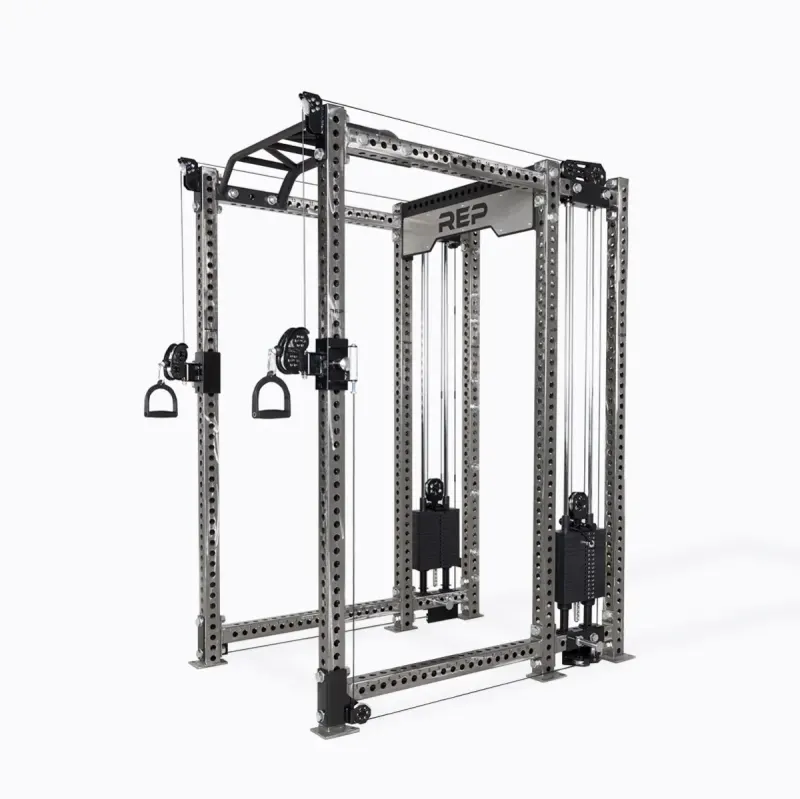
Best rack add-on
REP Athena Selectorized Side-Mount Functional Trainer
Bolts to a REP rack, about $950.
About $950 each
Check price
Best all-in-one
Force USA G3 All-In-One Trainer
Rack, Smith and cables for about $2,000.
About $2,000
Check price
Best digital
Up to 220 lb from motors, folds flat.
About $3,000–$3,850
Check price| Pick | Product | Type | Size | Warranty | Price |
|---|---|---|---|---|---|
| Best overall | REP Arcadia Functional Trainer Check price | Dual-stack functional trainer | 55.3″W × 35.8″D × 80.8″H | Lifetime frame and welds | About $2,200 |
| Rack add-on | REP Athena Selectorized Side-Mount Functional Trainer Check price | Rack-mounted single cable column | Adds about 4–6″ to a REP rack | Lifetime frame and welds | About $950 each |
| All-in-one | Force USA G3 All-In-One Trainer Check price | Rack + cable trainer + Smith machine | 78″W × 60.5″D × 87″H | Lifetime frame, 10 yr parts | About $2,000 |
| Budget all-in-one | Major Fitness B52 All-In-One Smith Machine Check price | Smith + rack + dual cable crossover | 78.7″W × 66.9″D × 82.6″H | 1 year | About $1,120–$1,500 (Pro with weight stacks about $2,700) |
| Digital | Speediance Gym Monster 2 Check price | Smart digital-weight cable gym | 48″ × 27″ (folds to 14.6″ deep) | 2 years | About $3,000–$3,850 |
| Cheapest | REP Plate-Loaded Lat Pulldown & Low Row (1000 Series) Check price | Plate-loaded rack attachment | Rear of a REP PR-1000/1100 | Lifetime frame and welds | About $265 |
Prices checked October 2026 on each brand's site and change often. Tap a product to jump to its review.
Best for most home gyms that want a standalone cable machine
REP’s compact dual-stack functional trainer: 170 lb stacks, 32 height positions and an 80.8″ height that fits most basements.
A standalone functional trainer is the most versatile cable machine, and the Arcadia is the one we’d buy. Two independent 170 lb stacks, 32 heights and smooth trolleys cover presses, rows, flyes, pulldowns and accessories, and at 80.8″ tall it fits most basements. REP covers the frame and welds for life.
The 2:1 ratio makes the stacks feel half as heavy, so very strong lifters will want the 220 lb upgrade. For more trainers, see our best functional trainers.
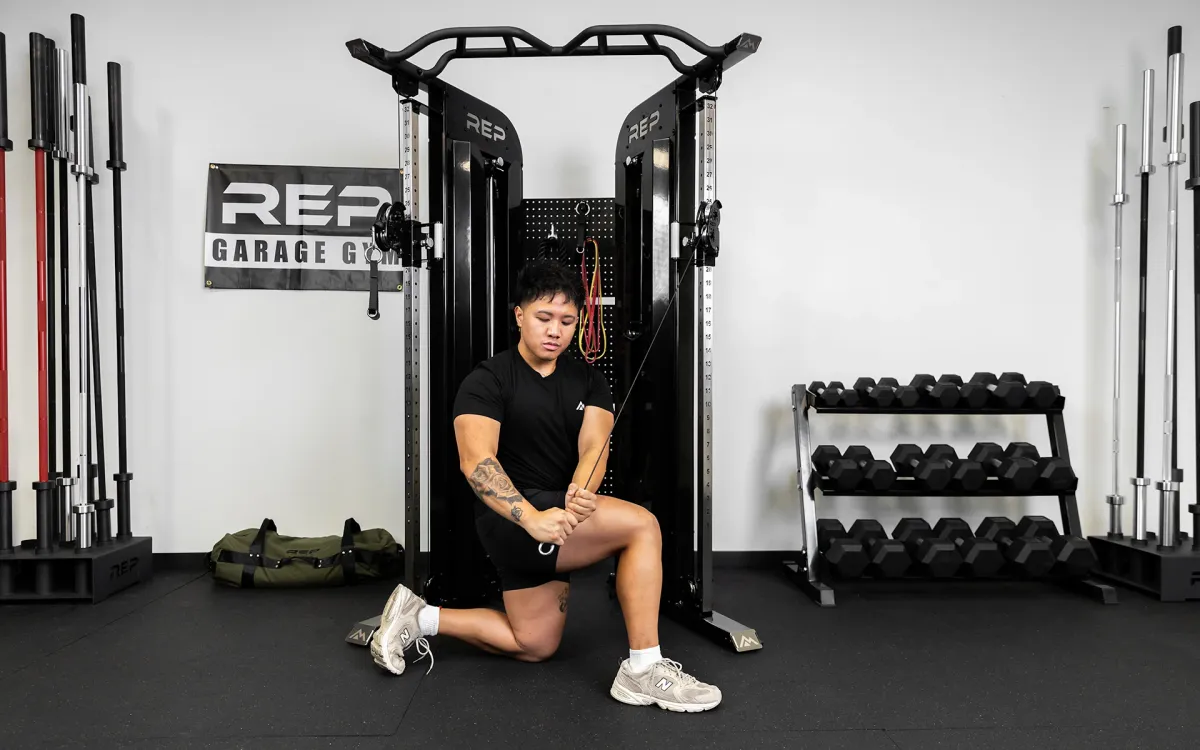
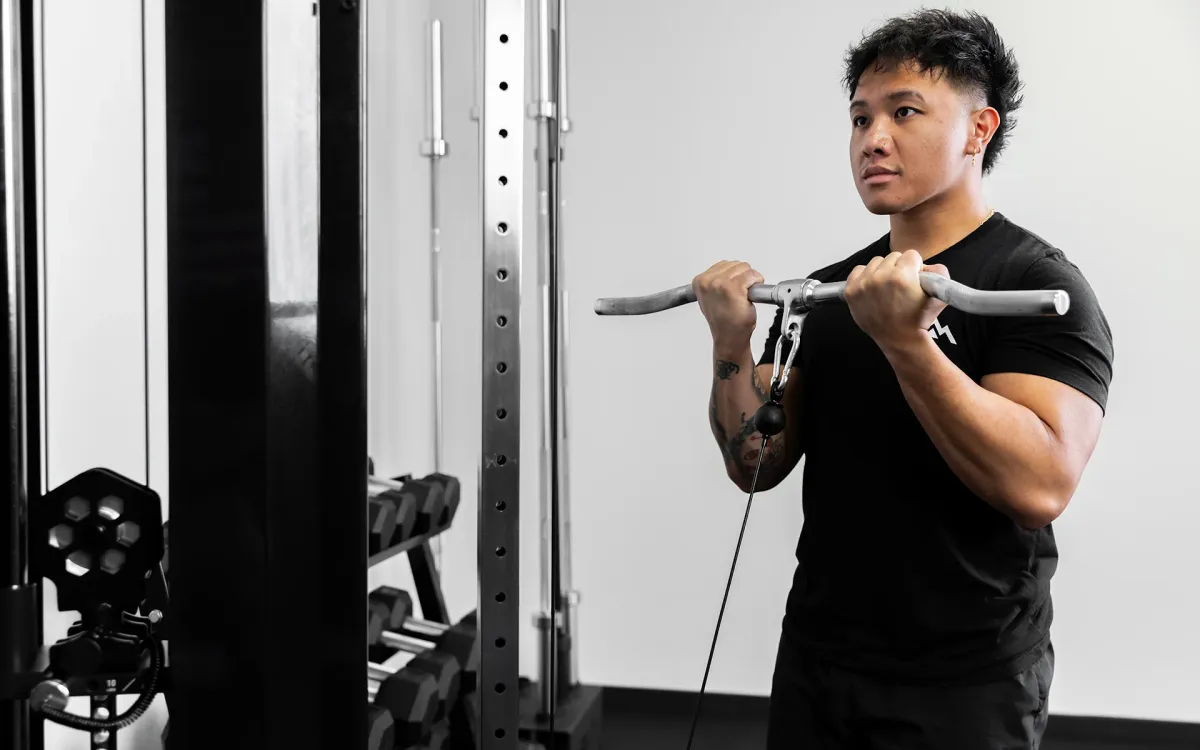
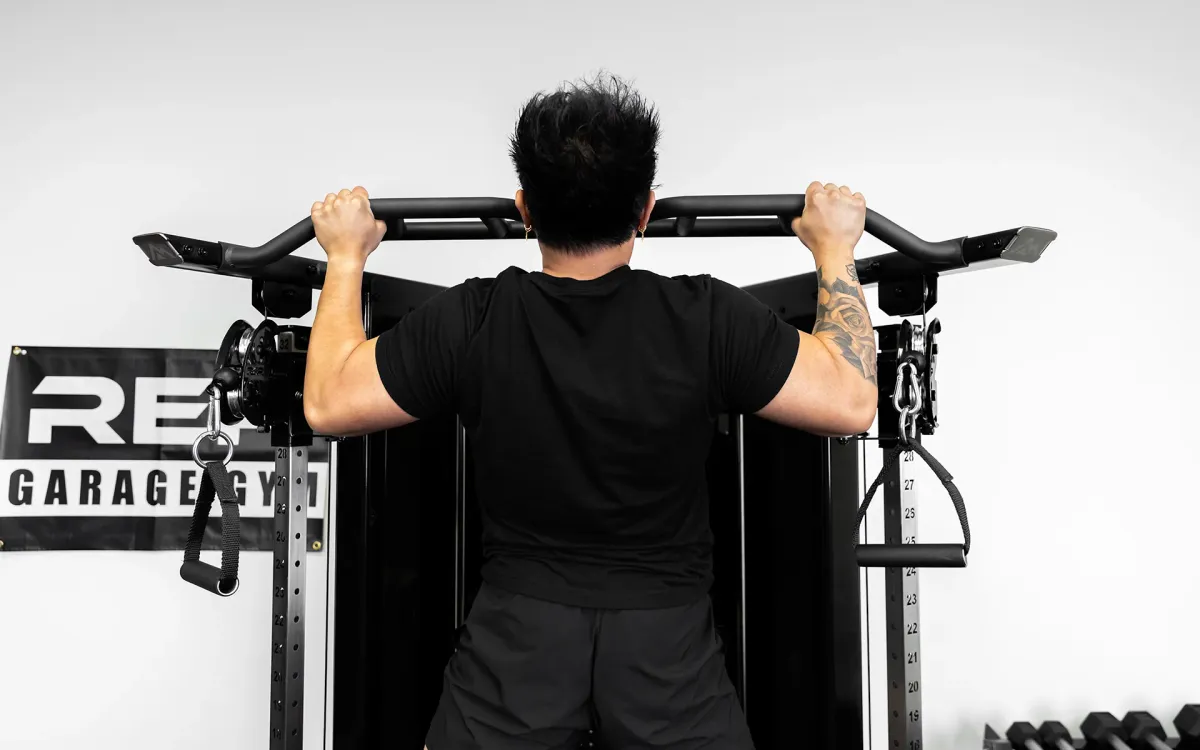
REP’s review summary says owners praise the smooth, quiet cables, the solid commercial feel and the compact footprint that fits low ceilings; assembly takes several hours. On r/homegym, a new Arcadia owner asked how to brace for lat pulldowns, since it has no knee pad.
Skip it if: You already own a REP PR-4000/5000 rack. The rack-mounted Ares 2.0 or Athena saves floor space.
Best for adding cables to a rack you already own
A selectorized cable column that bolts to the side of a REP rack. One gives you a single cable station; two make a functional trainer.
If you own a REP PR-4000 or PR-5000, the Athena is the cheapest way to add a weight stack: it bolts to the side of the rack and adds only a few inches. One gives you a single cable station for pulldowns, rows and pushdowns; add a second and you have a functional trainer.
On r/GarageGym, owners consistently prefer a rack with integrated cables over a separate all-in-one machine. “Cable machines integrated into a squat rack, yes,” as one puts it.
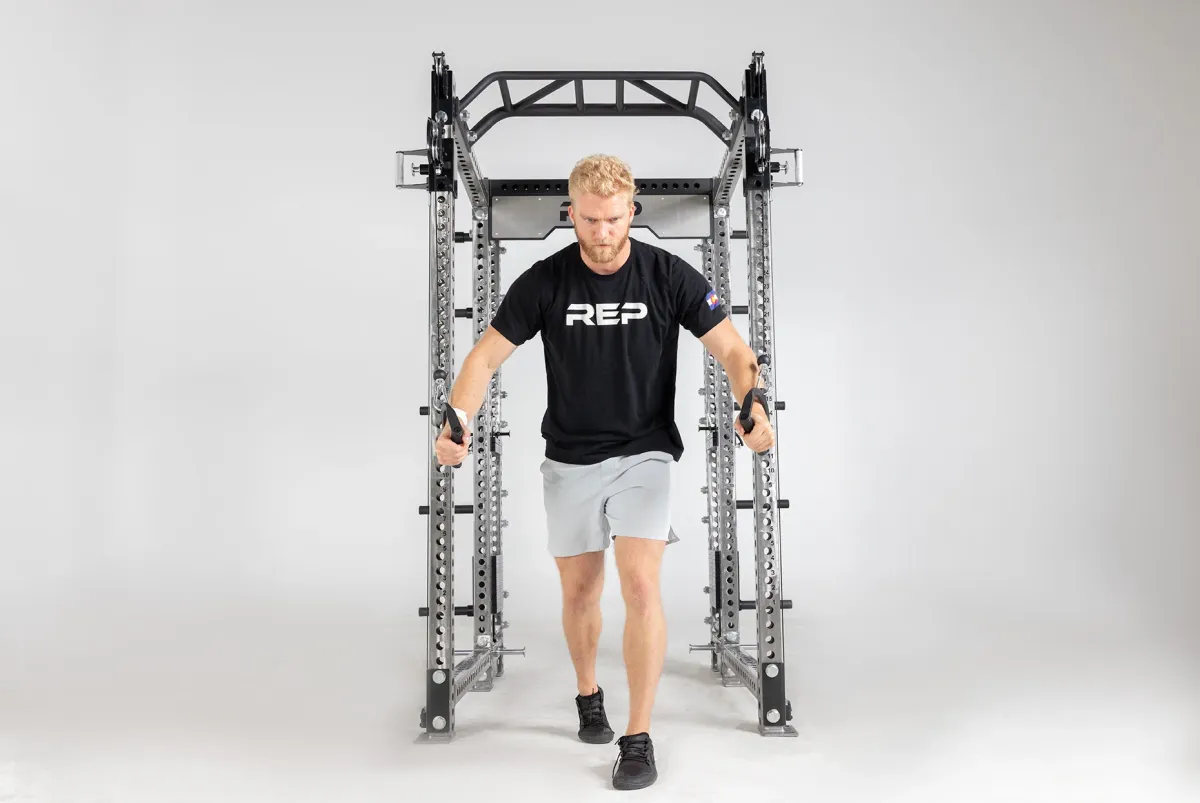
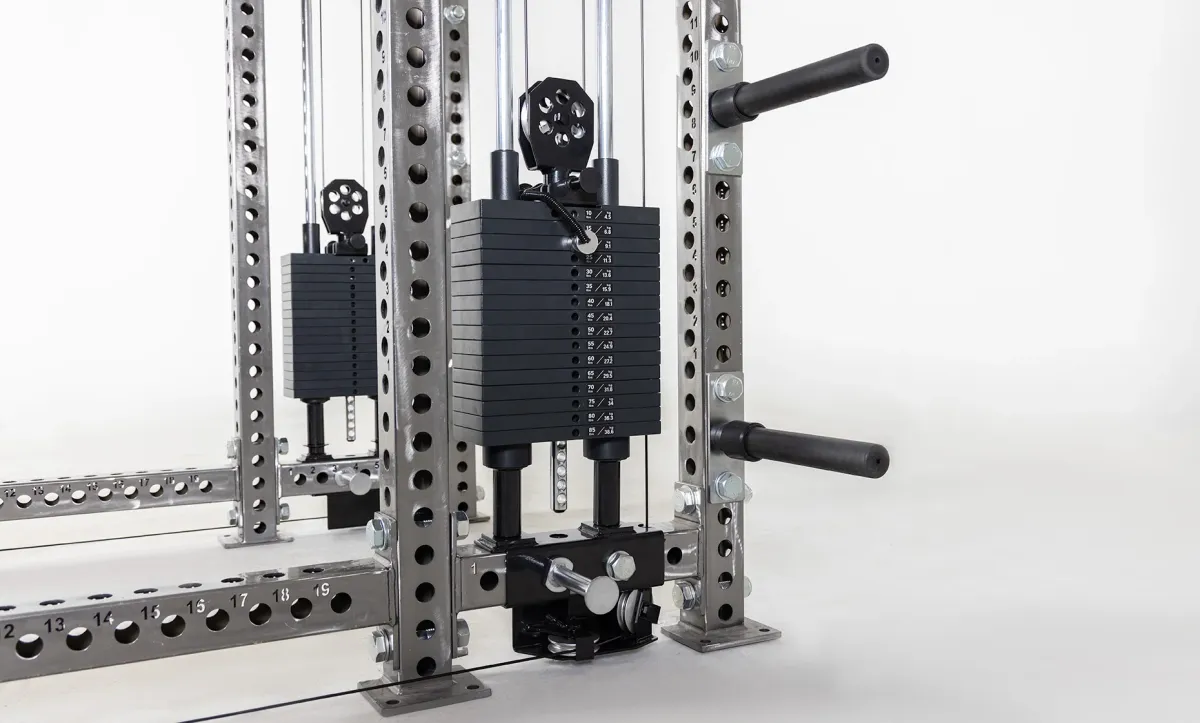
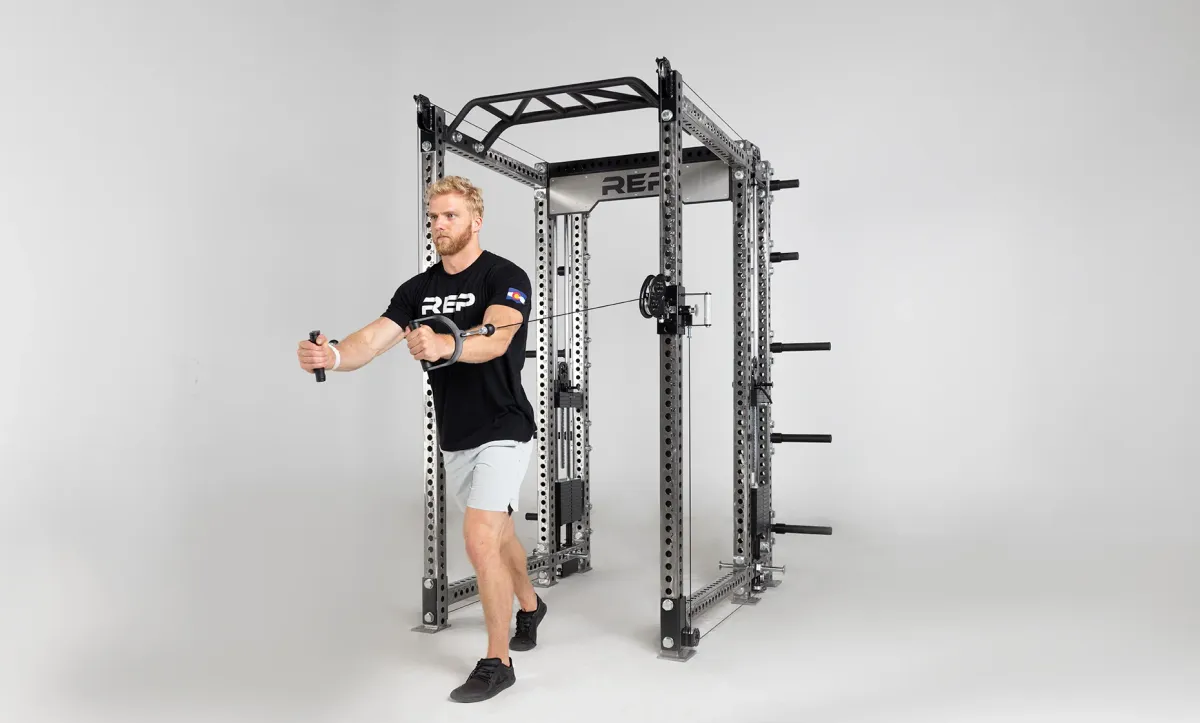
REP’s review summary says owners like how it turns a rack into a functional trainer without the floor space, with smooth, commercial-feeling pulleys, and many recommend the stack upgrade for heavy pulldowns and rows. On r/homegym, one owner of a Rogue rack said seeing an Athena crossover setup convinced them to switch to REP.
Skip it if: You don’t have a REP rack.
Best for a whole gym in one footprint
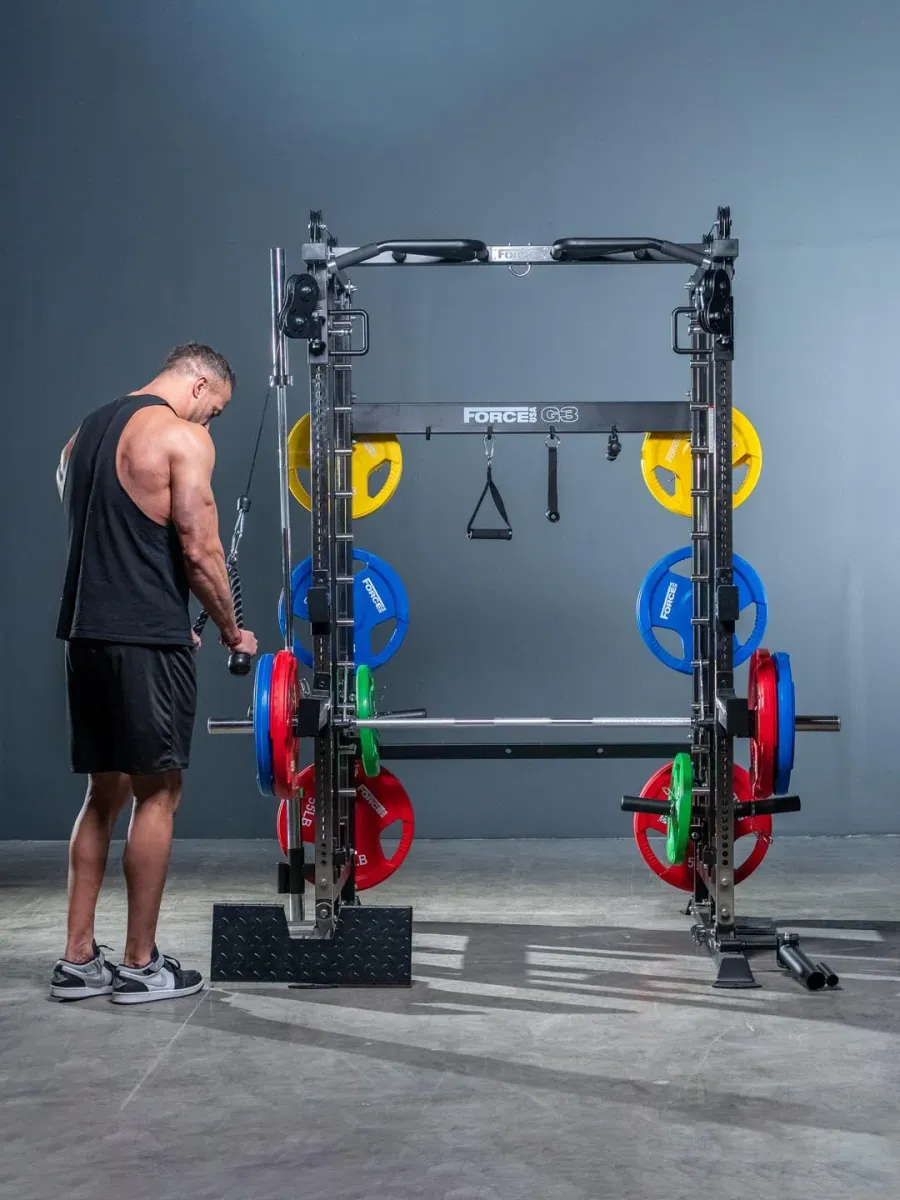
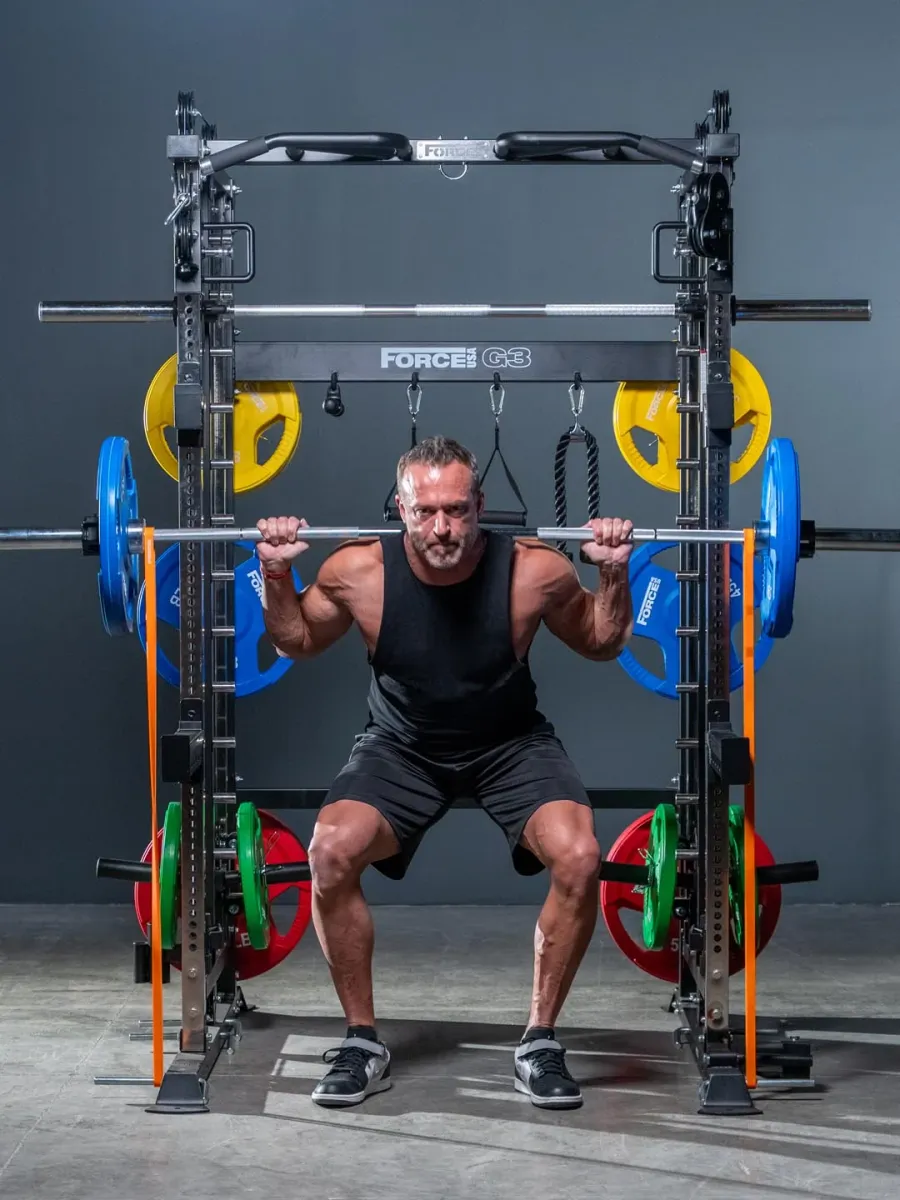
A power rack, a cable functional trainer and a Smith machine in one plate-loaded frame for about $2,000. It replaces three machines in roughly a 6.5 × 5 ft space.
If you’re starting from scratch, the G3 combines a power rack, a Smith machine and a 2:1 plate-loaded functional trainer for about $2,000, with a lifetime frame warranty. Owners on r/GarageGym say machines like it let them cancel their gym membership.
It’s plate-loaded, so every cable change means moving plates.

Owners say assembly takes 4 to 6 hours with two people, and several found the M10 pulley bolts mislabelled in the hardware pack (the 50 mm bolts are the right ones). One reports about 10″ of clearance under a 9.5 ft ceiling. Most deliveries arrived clean, but one owner received a visibly used unit and spent weeks getting a partial refund.
Skip it if: Your ceiling is 8 ft or lower and pull-ups matter to you, or you already own a rack.
Best for low ceilings and tight budgets
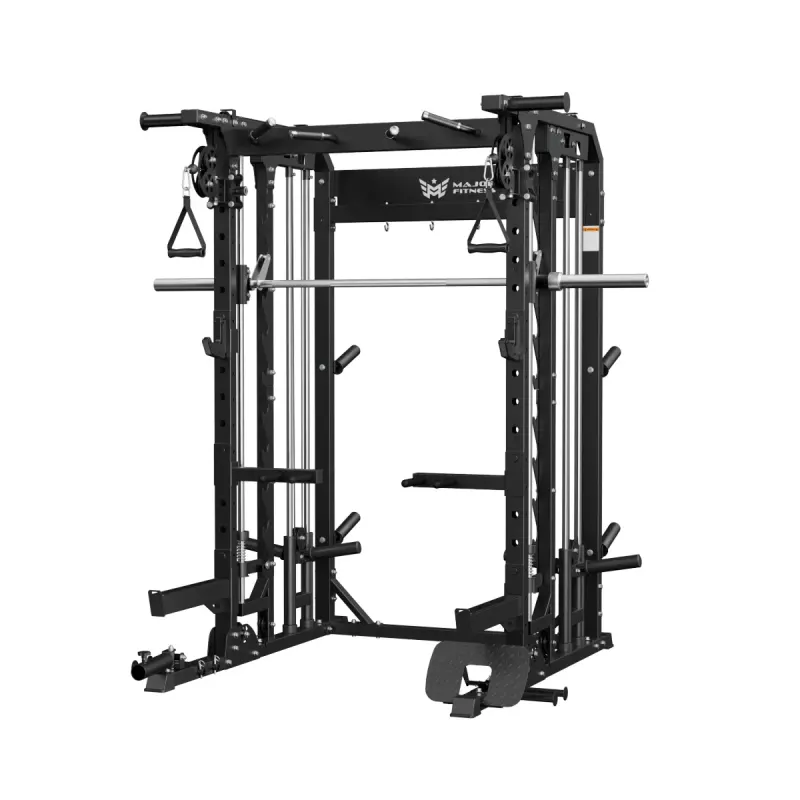
The best-selling all-in-one Smith machine, with dual cables and a rack, at under 83″ tall. It fits basements that the 87″ machines don’t.
The B52 is the cheapest all-in-one here at about $1,100: a Smith machine, a half rack and a dual cable crossover. It uses 2″ × 3″ steel, so it takes fewer third-party attachments than 3″ × 3″ racks, and the warranty is one year.

Owners of Major Fitness all-in-ones (B52 and the smaller F22) describe them as good for the price and compact, though not as premium as REP; one uses an F22 daily. A B52 Pro owner found it sturdy and easy to assemble. On r/GarageGym, the most-upvoted critique is that heavier-gauge machines with standard upright sizes exist, and the 2×3″ uprights limit attachments from other brands. Some buyers found orders were pre-orders without clear warning on the site.
Skip it if: You want a long warranty or plan to add attachments from other brands.
Best for small spaces and people who want a coach on screen
Motor-driven cable resistance up to 220 lb in a unit that folds against the wall. Long-term owners say it replaced their gym, and there’s no required subscription.
If you’re short on space, the Gym Monster 2 replaces weight stacks with motors: up to 220 lb of resistance in 1 lb steps, and it folds to 14.6″ deep. It costs about $3,000 on sale, and the app membership is optional.
It has more electronics to fail than a steel machine, and a two-year standard warranty.
Long-term owners on r/SpeedianceCommunity, some using it daily for 18 months or more, mostly say it changed how often they train. Cables do wear, but owners say swapping one takes 10–15 minutes with a screwdriver. The recurring compromises: angled lat pulldowns, no explosive movements, and the odd firmware or Bluetooth ring hiccup.
Skip it if: You train for strength with heavy barbell lifts. A rack and plates do more for less.

Best for the cheapest lat pulldown for a budget rack
A $265 plate-loaded pulley system for REP’s budget racks that adds lat pulldowns, rows, pushdowns and curls.
For about $265, REP’s plate-loaded lat and low row attachment adds a 1:1 pulley to its PR-1000 or PR-1100 rack for pulldowns, rows, pushdowns and curls. Owners in REP’s reviews say it installs in under an hour.
REP’s review summary says owners find it easy to install (30–60 minutes), smooth and great value compared with standalone machines, though some say the pulleys benefit from lubrication.
Skip it if: Your rack isn’t a REP PR-1000/1100.
Standalone trainers are the most versatile for cables. Rack attachments save floor space. All-in-ones cover barbell and cable work in one purchase. Digital machines fit where nothing else will.
Weight stacks are quicker and nicer to use; plate-loaded machines cost roughly half.
2:1 machines feel half as heavy with more cable travel; 1:1 feels heavier and suits pulldowns and rows.
If you’re adding cables to a rack, check tube size and hole pattern. Owners warn that 2″ × 3″ frames take fewer attachments than 3″ × 3″ or 2″ × 2″.
Owners on r/GarageGym say heavy squats, bench presses and deadlifts, and most leg work, are better on a barbell. One C20 owner says leg curls on their cable machine are “far from ideal” compared with a dedicated leg curl.
We started with the machines on the top-ranking lists for “best cable machine for home gym”, then weighed them against owner threads on r/GarageGym. We checked price, stack weight, ratio, size and warranty on each brand’s own site in October 2026. We haven’t tested every machine hands-on. How we research.
See also our best cable crossover machines and best lat pulldown machines.
For most home gyms, the best cable machine is the REP Arcadia, a compact dual-stack functional trainer for about $2,200. If you already own a REP power rack, a rack-mounted REP Athena (about $950 each) adds cables without new floor space. Owners on r/GarageGym most often recommend a rack with integrated cables.
There are four main types. Standalone functional trainers have two cable columns. Rack attachments bolt cables onto a power rack. All-in-one trainers combine a rack, Smith machine and cables. Digital machines like the Speediance Gym Monster 2 use motors instead of weight plates.
Neither is better; they complement each other. Cables keep tension through the whole movement and make it easy to train from any angle, which is great for accessory work. But owners on r/GarageGym note that heavy squats, bench presses and deadlifts, and most leg exercises, are better with a barbell.
A plate-loaded rack attachment starts around $265 (REP 1000 series lat and low row). Plate-loaded functional trainers cost about $850–$1,100, dual-stack trainers about $2,200–$2,700, and digital machines about $3,000.
Selectorized (weight stack) machines are faster to adjust and more pleasant to use, but cost about twice as much. Plate-loaded machines are a good start if you already own plates, and some, like the Bells of Steel functional trainer, can be upgraded to stacks later.