
Best overall
Pioneer Cut 10 mm Powerlifting Belt
Half-inch adjustment, lifetime, $120.
About $120
Check priceThe best weightlifting belts of 2026: Pioneer Cut, Inzer and SBD lever belts, Rogue's Ohio belt and a $35 nylon belt, compared on fit and warranty.
The best lifting belt for most people is the Pioneer Cut 10 mm: it adjusts in half-inch steps, it’s made in the USA and has a lifetime guarantee, for about $120. IPF competitors should get the Inzer or SBD lever belt.
A good leather belt is one of the few pieces of gear that lasts a lifting career. As of October 2026, we’ve compared the belts on the top-ranking review lists with what lifters recommend on r/weightlifting and r/naturalbodybuilding, and checked every thickness, buckle, price and warranty on the brand’s own site.
Best overall
Pioneer Cut 10 mm Powerlifting Belt
Half-inch adjustment, lifetime, $120.
About $120
Check price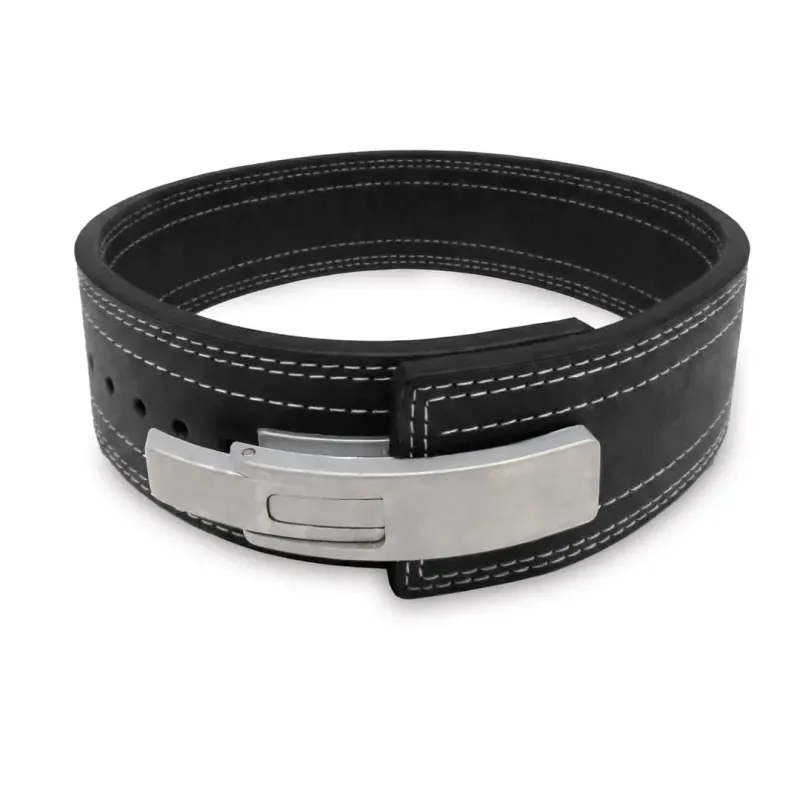
Best lever belt
Inzer Forever Lever Belt (13 mm)
Classic 13 mm, guaranteed forever.
About $139
Check price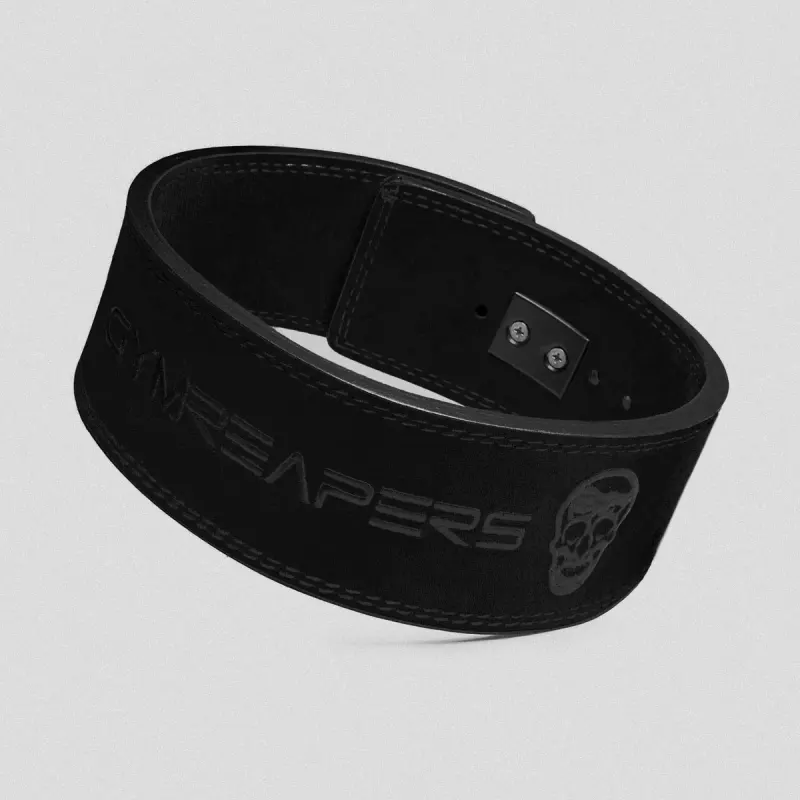
Best value lever
10 mm, 4.9 from 2,100+ reviews.
About $150
Check price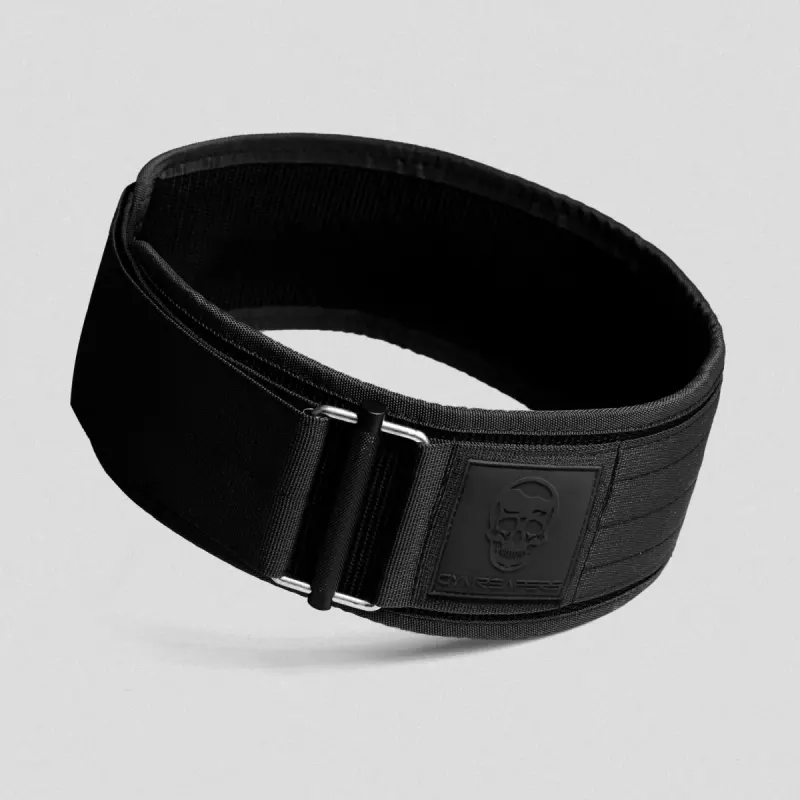
Best budget
Nylon, lifetime warranty, $35.
About $35
Check price| Pick | Product | Type | Size | Warranty | Price |
|---|---|---|---|---|---|
| Best overall | Pioneer Cut 10 mm Powerlifting Belt Check price | 10 mm leather, Pioneer Cut | 4″ wide | Lifetime | About $120 |
| Lever | Inzer Forever Lever Belt (13 mm) Check price | 13 mm lever belt | 4″ wide | Guaranteed Forever | About $139 |
| IPF premium | SBD 13 mm Lever Belt Check price | 13 mm lever belt, IPF approved | 10 cm wide | See SBD | About $230 |
| Value lever | Gymreapers 10 mm Lever Belt Check price | 10 mm lever belt | XS–XL | Lifetime | About $150 |
| US leather | Rogue Ohio Lifting Belt Check price | Leather prong belt | 4″ wide | See Rogue | About $145 |
| Budget nylon | Gymreapers Quick Lock Belt Check price | Nylon Velcro belt | S–XL | Lifetime | About $35 |
Prices checked October 2026 on each brand's site and change often. Tap a product to jump to its review.
Best for the perfect fit at any bodyweight
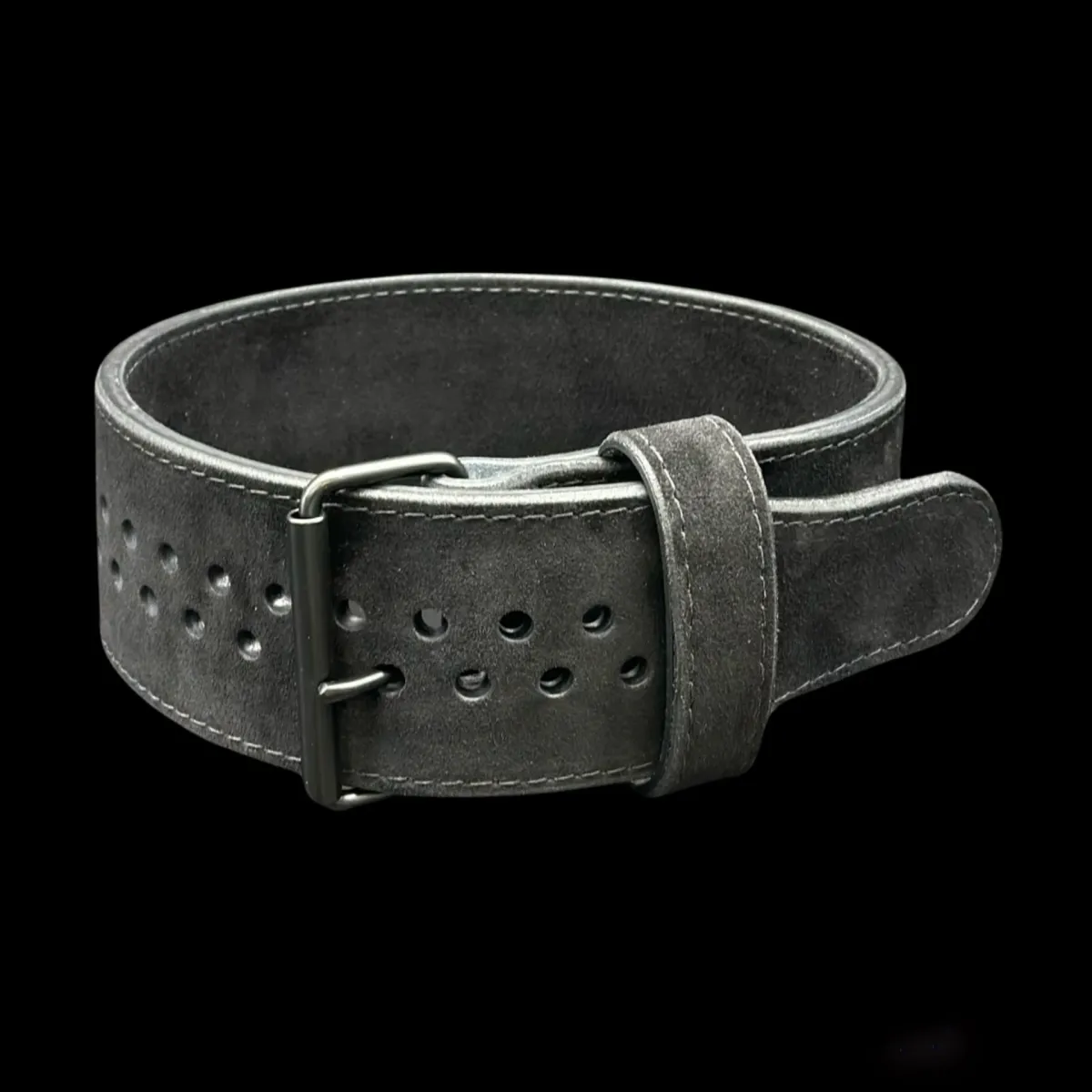
A US-made 10 mm leather belt whose patented cut adjusts in half-inch steps, the belt lifters recommend most for fit.
Pioneer’s patented cut lets you set the belt in half-inch steps instead of the usual inch-apart holes, so it fits exactly. On r/weightlifting, one lifter’s advice is simply “get the Pioneer cut”, and another who bought a regular-cut Pioneer second-hand says the cut is worth it. This 10 mm, 4″ double-suede belt is made in the USA with a lifetime guarantee, for about $120, and averages 4.9 out of 5 from 52 reviews.
It’s approved in every powerlifting federation except the IPF.
On r/weightlifting and r/naturalbodybuilding, Pioneer is a top recommendation. One lifter says to “get the Pioneer cut” for the half-inch adjustment, and another recommends a prong belt if your weight changes and a lever if it’s stable.
Skip it if: You compete in the IPF. Get the SBD or Inzer lever belt.
Best for a classic lever belt for powerlifting
The classic powerlifting lever belt: 13 mm thick, very tight, and guaranteed forever.
The Inzer Forever Lever is the classic powerlifting lever belt: 13 mm thick, it tightens up to 3″ more than a buckle and releases in under a second, and it’s “Guaranteed Forever”, for about $139. A 10 mm version is available. Resizing means unscrewing the lever, so it suits lifters whose weight is stable.
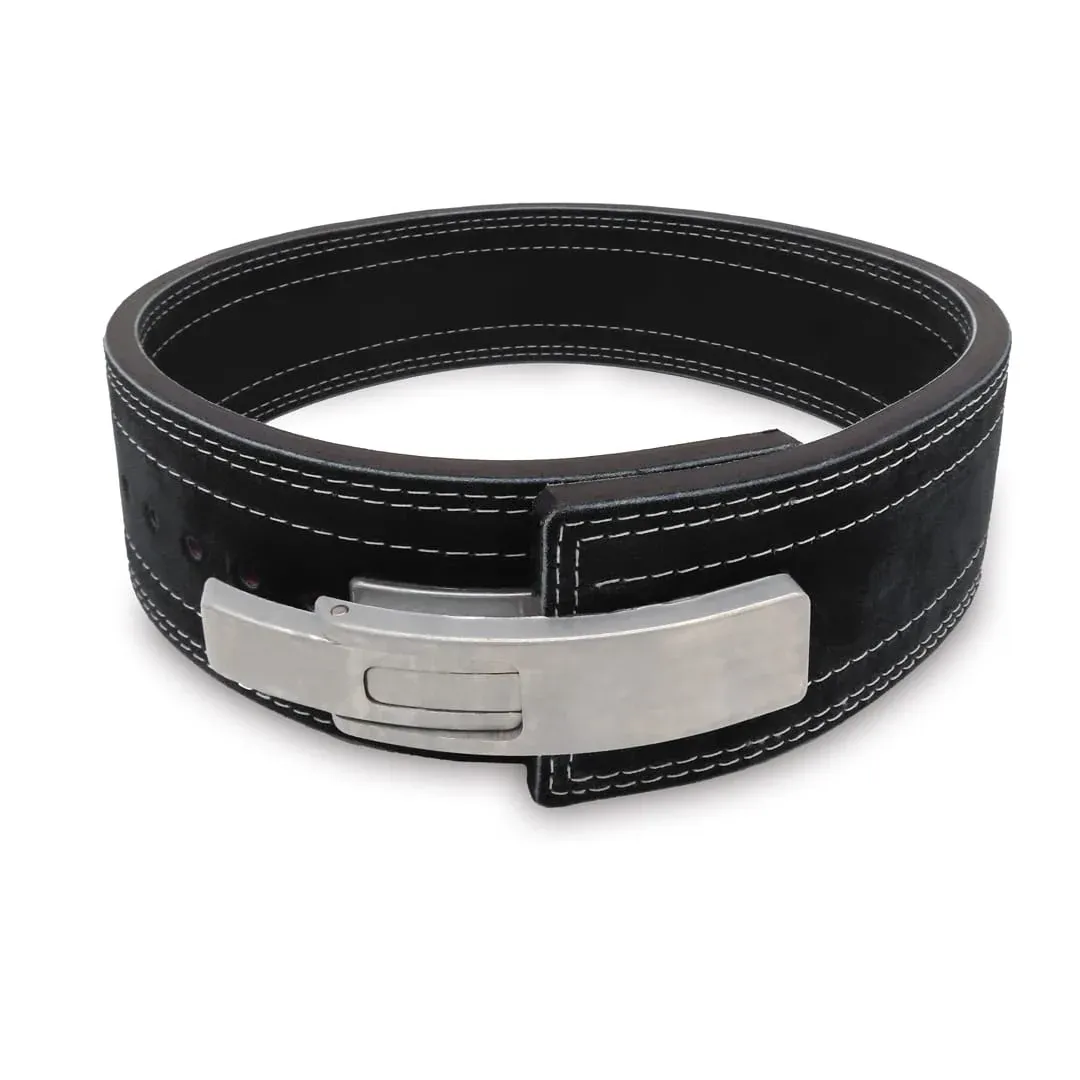
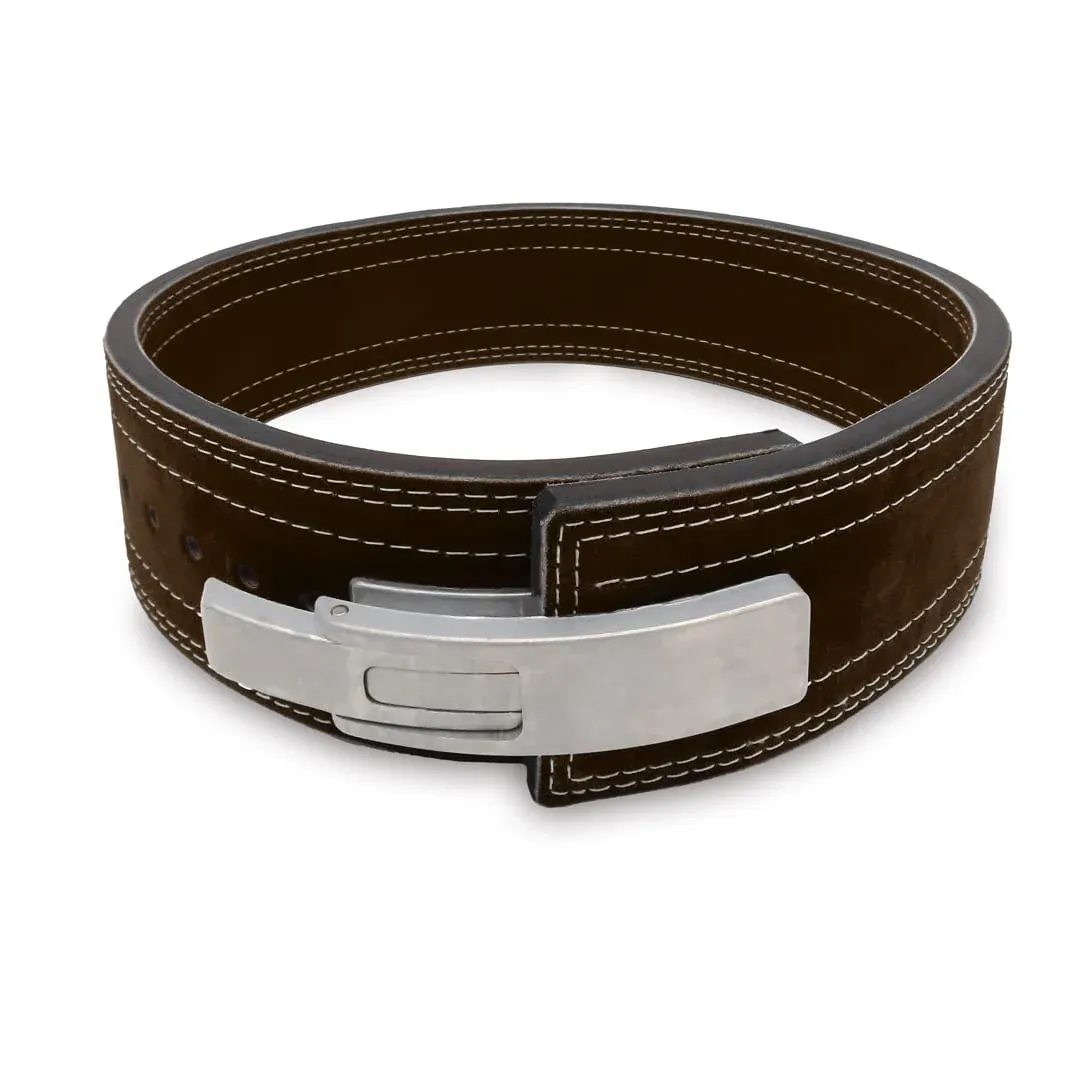
We found little recent Reddit discussion of Inzer; lever belts suit lifters whose weight is stable.
Skip it if: Your weight changes. Get a prong or Pioneer Cut belt.

Best for competitive IPF powerlifters
SBD’s IPF-approved lever belt with a patented gliding lever that adjusts like a prong belt.
SBD’s 13 mm IPF-approved belt has a patented gliding lever that adjusts like a prong belt, so you can tighten or loosen it between sets without tools. It’s made from four layers of British leather and suede, and costs about $230.
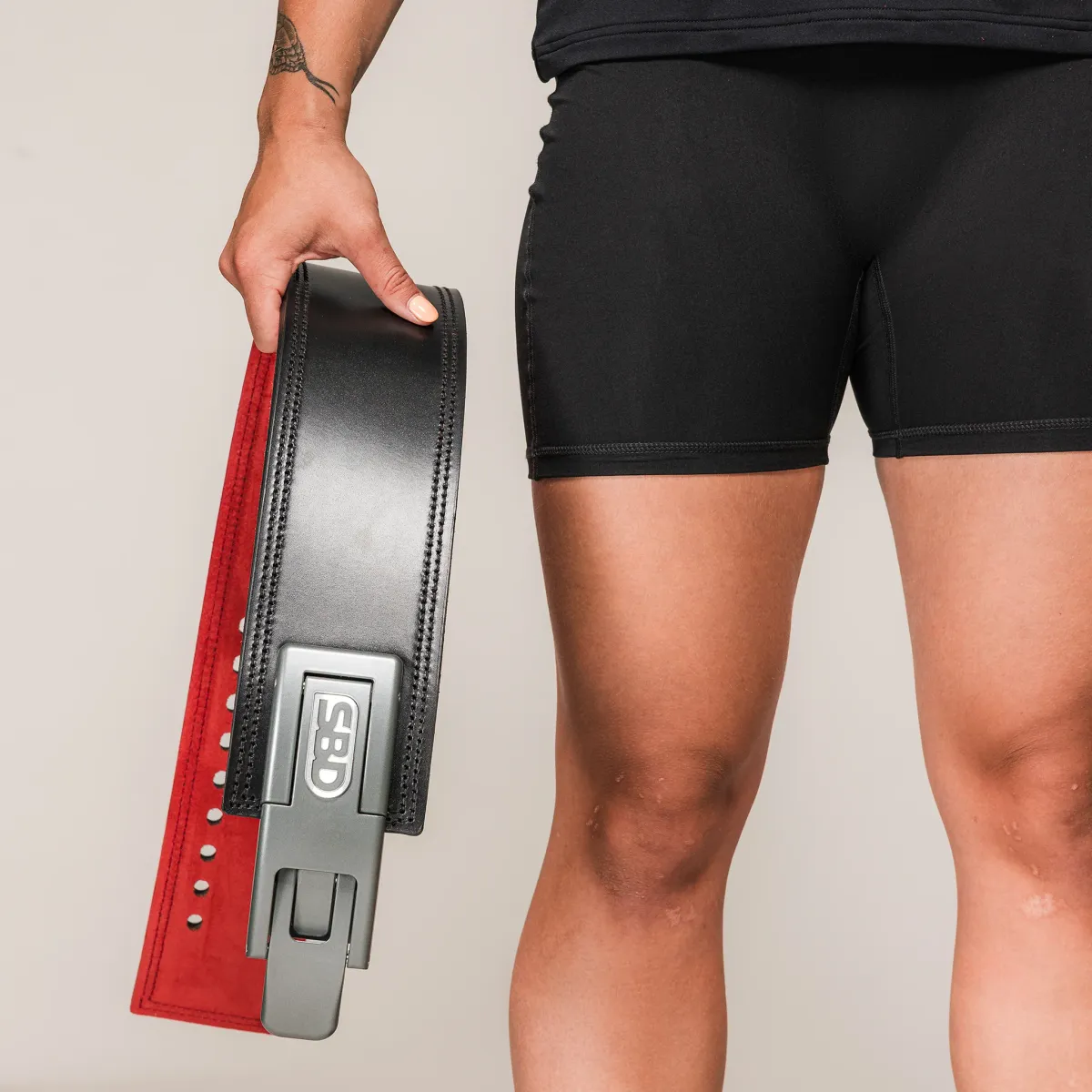
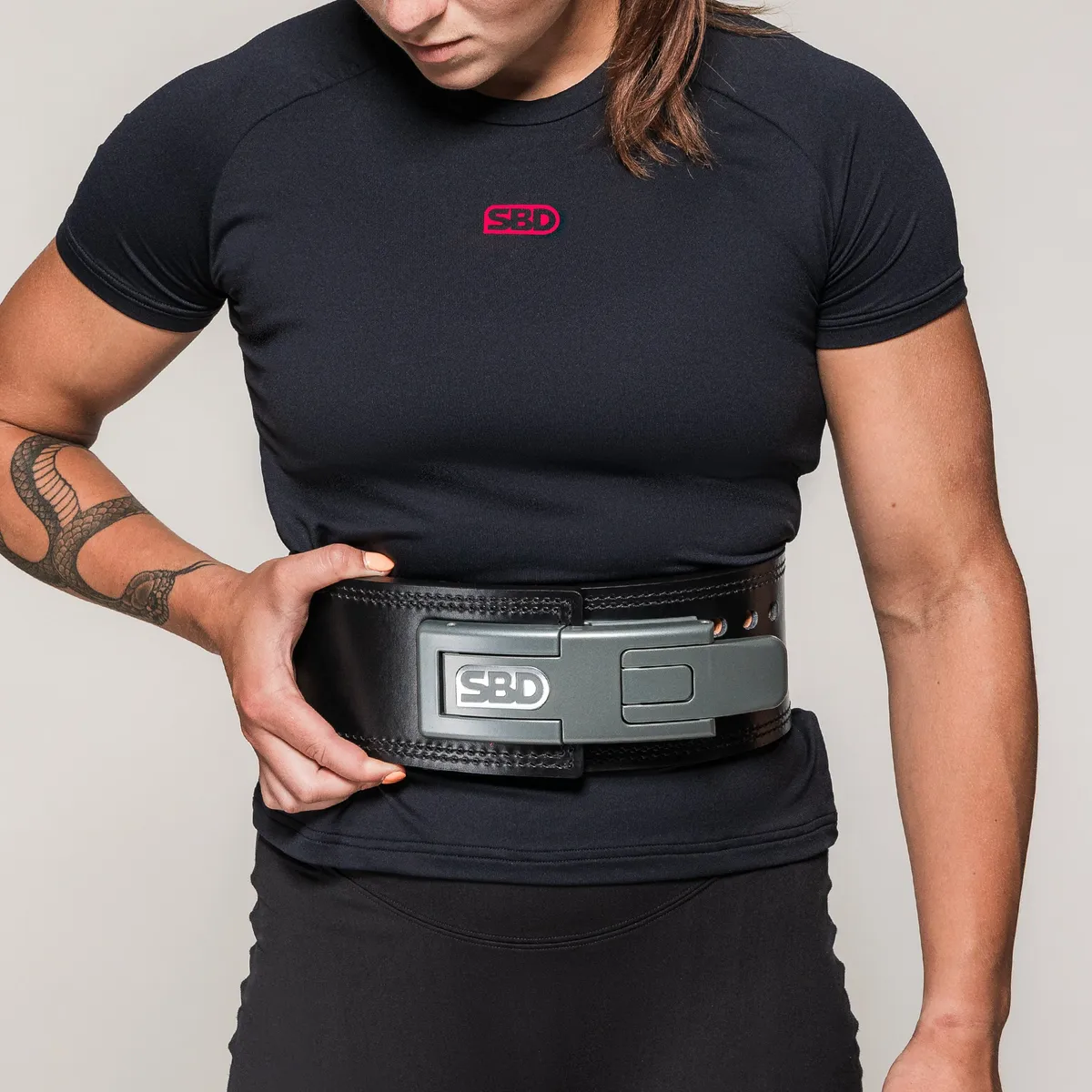
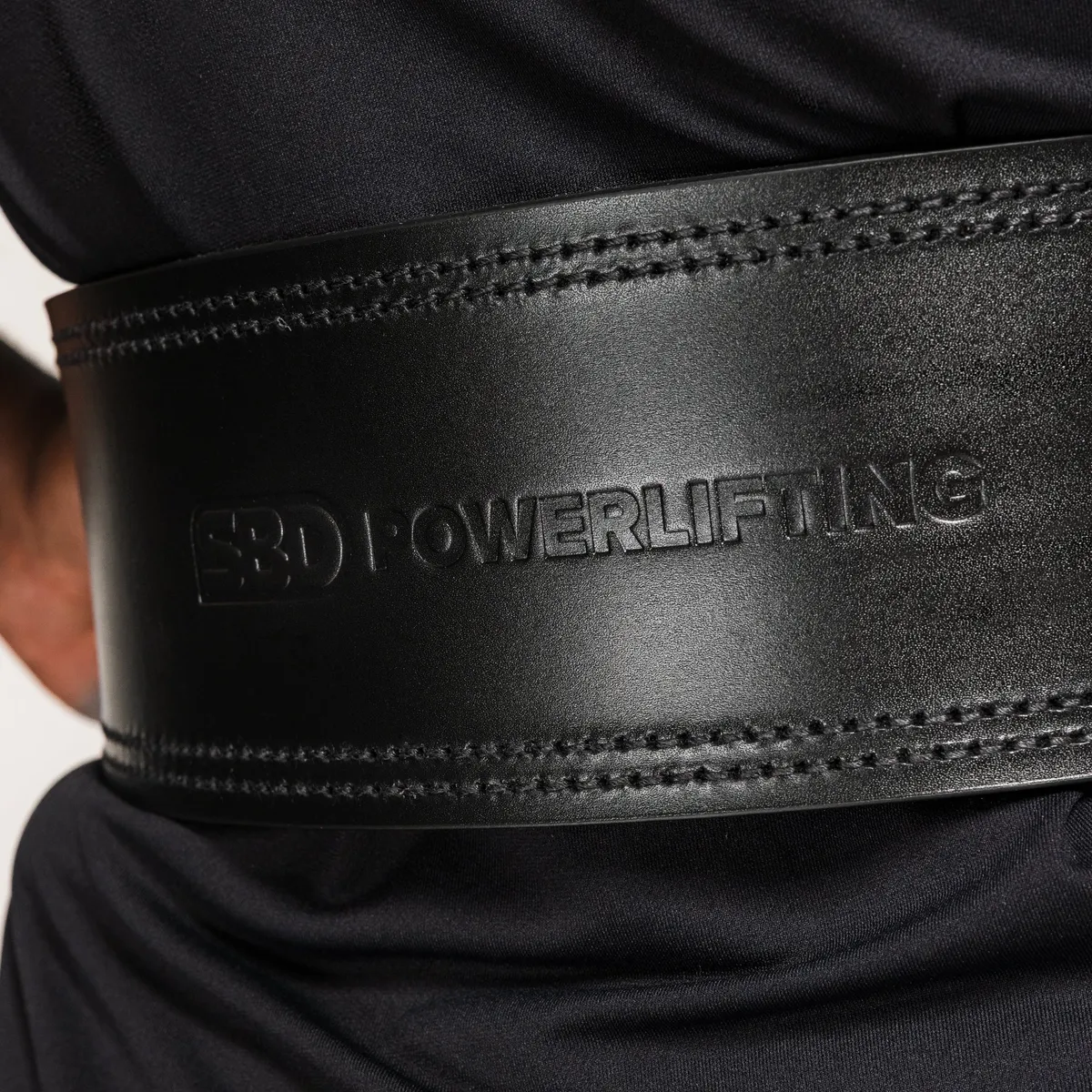
We found few owner threads in our research sample.
Skip it if: You don’t compete. The Pioneer or Inzer costs much less.
Best for a popular, comfortable lever belt
A 10 mm lever belt with a lifetime warranty on belt and lever, rated 4.9 out of 5 from more than 2,100 reviews.
Gymreapers’ 10 mm lever belt uses vegetable-tanned leather, meets IPF specs, and has a lifetime warranty on the belt and lever, for about $150. It’s the most-reviewed belt here, at 4.9 out of 5 from 2,115 reviews.
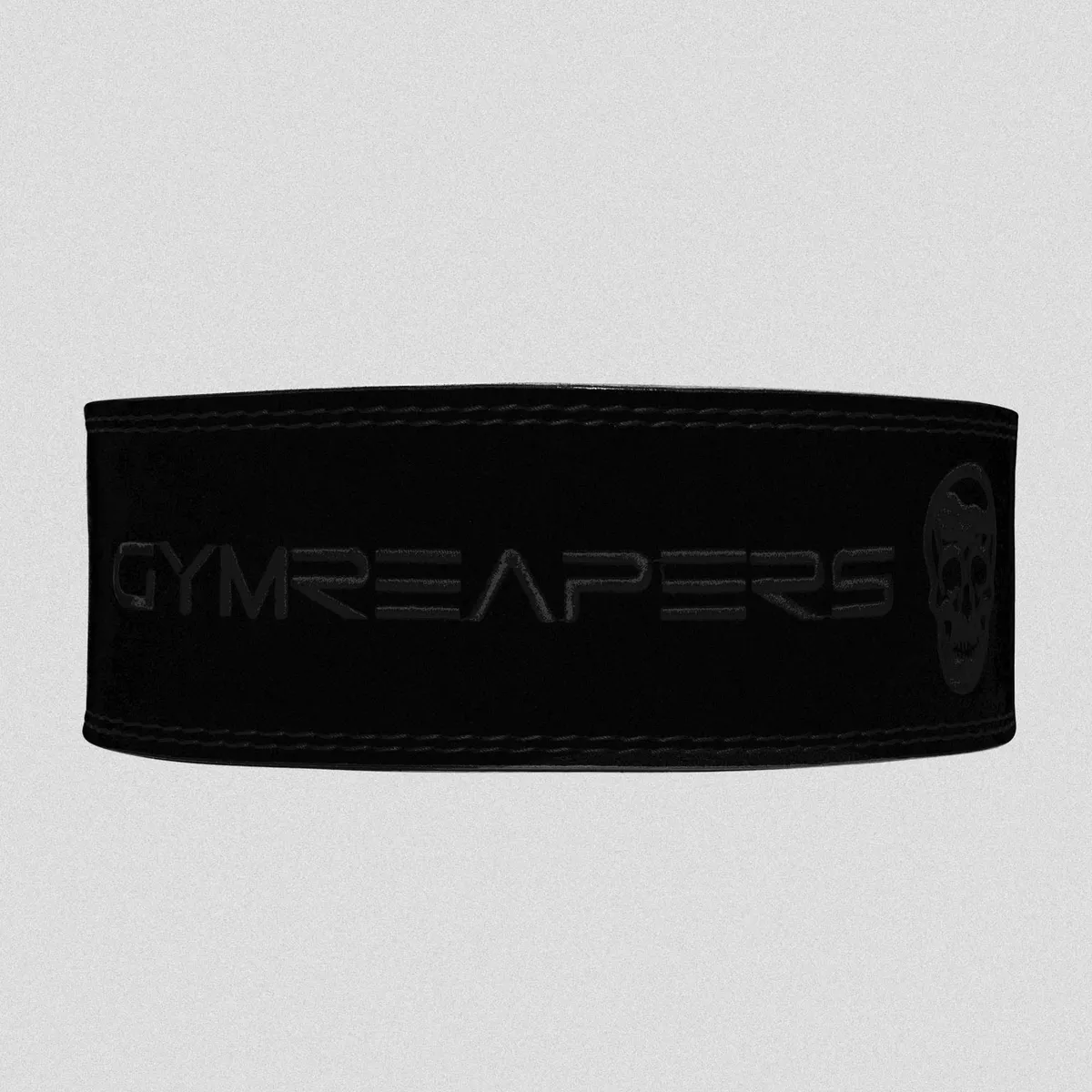
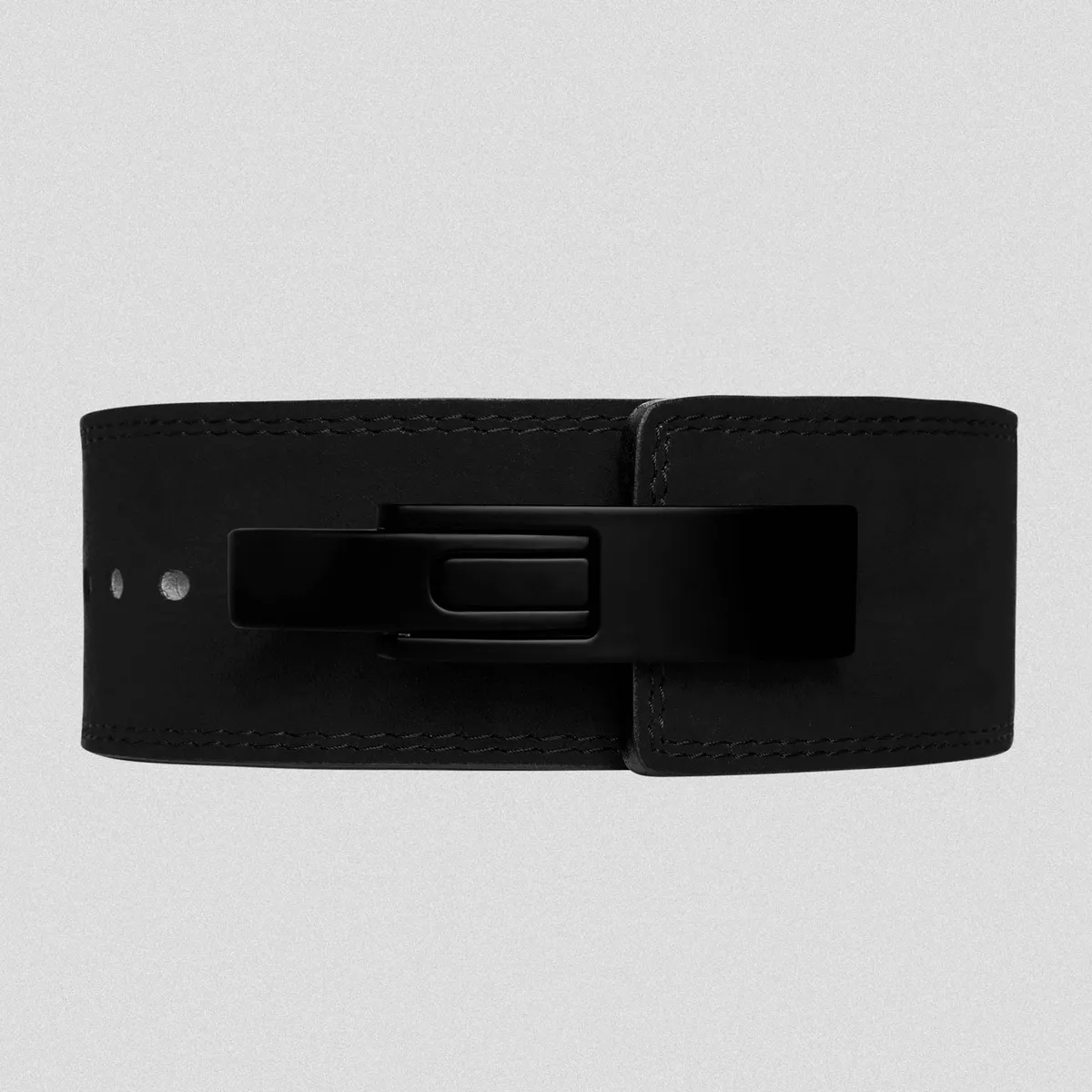

Gymreapers’ own reviews average 4.9 out of 5 from 2,115.
Skip it if: Your waist size changes a lot. Get a Pioneer Cut.
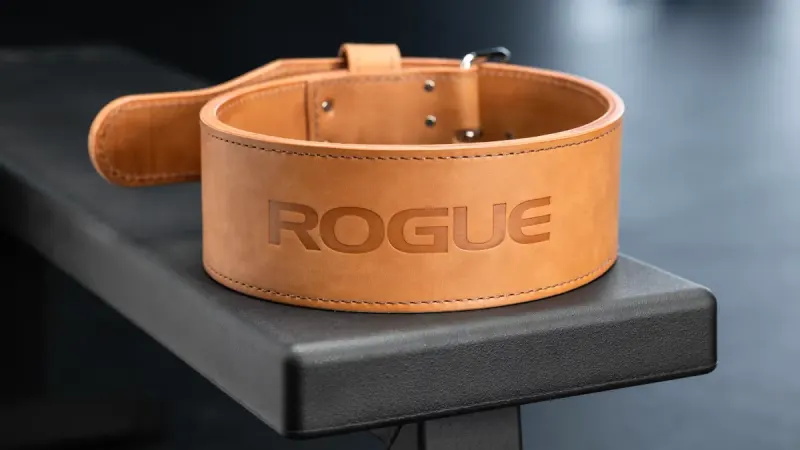
Best for a US-made leather belt from a gym brand
A 4″ vegetable-tanned leather belt made in the USA, rated 4.9 out of 5 from 489 reviews on Rogue’s site.
Rogue’s Ohio belt is a 4″ vegetable-tanned leather belt made in the USA, rated 4.9 out of 5 from 489 reviews, for about $145.
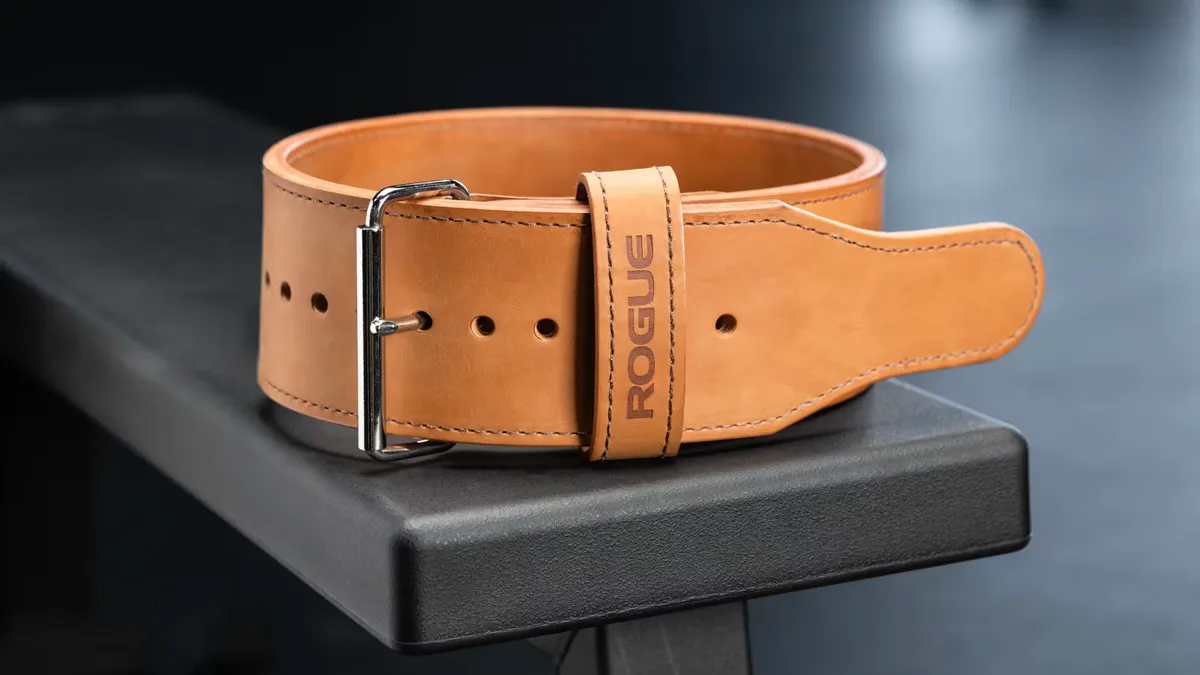
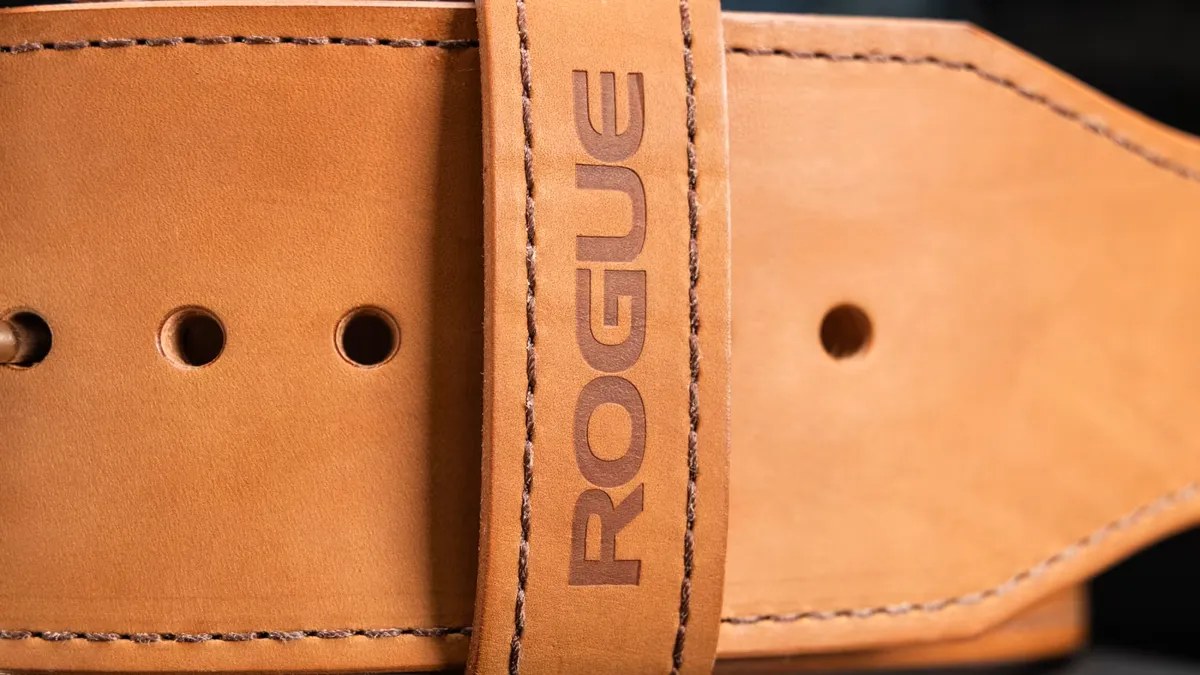
Rogue’s own reviews average 4.9 out of 5 from 489.
Skip it if: You want finer adjustment. Get the Pioneer Cut.
Best for a cheap, flexible belt for general training
A flexible nylon belt for Olympic lifts and general training, with a lifetime warranty, for about $35.
For Olympic lifting, CrossFit or general training, a flexible nylon belt does the job. Gymreapers’ Quick Lock has a steel roller buckle and a lifetime warranty for about $35. One r/weightlifting user notes Velcro belts degrade within two to three years; this one is covered for life.
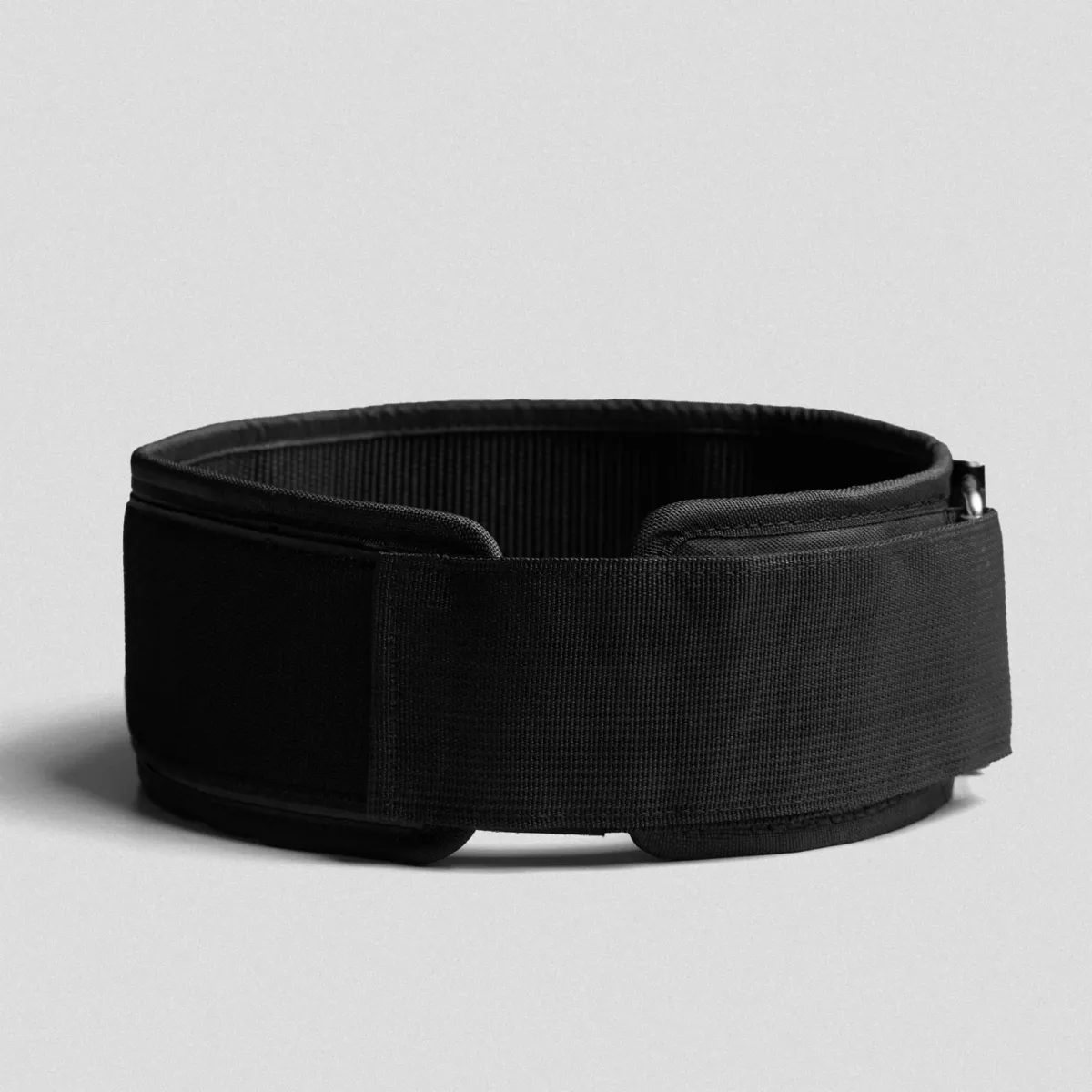
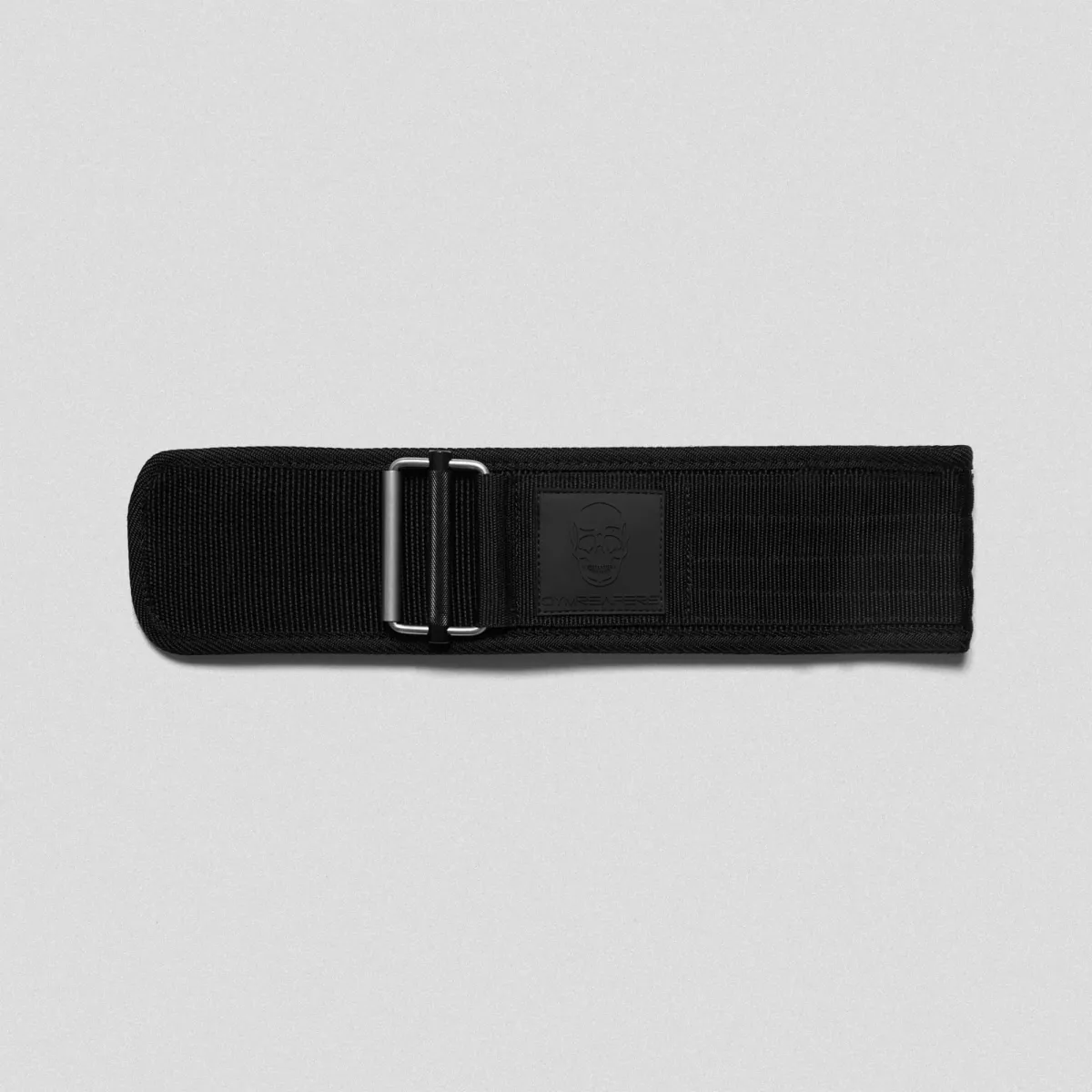
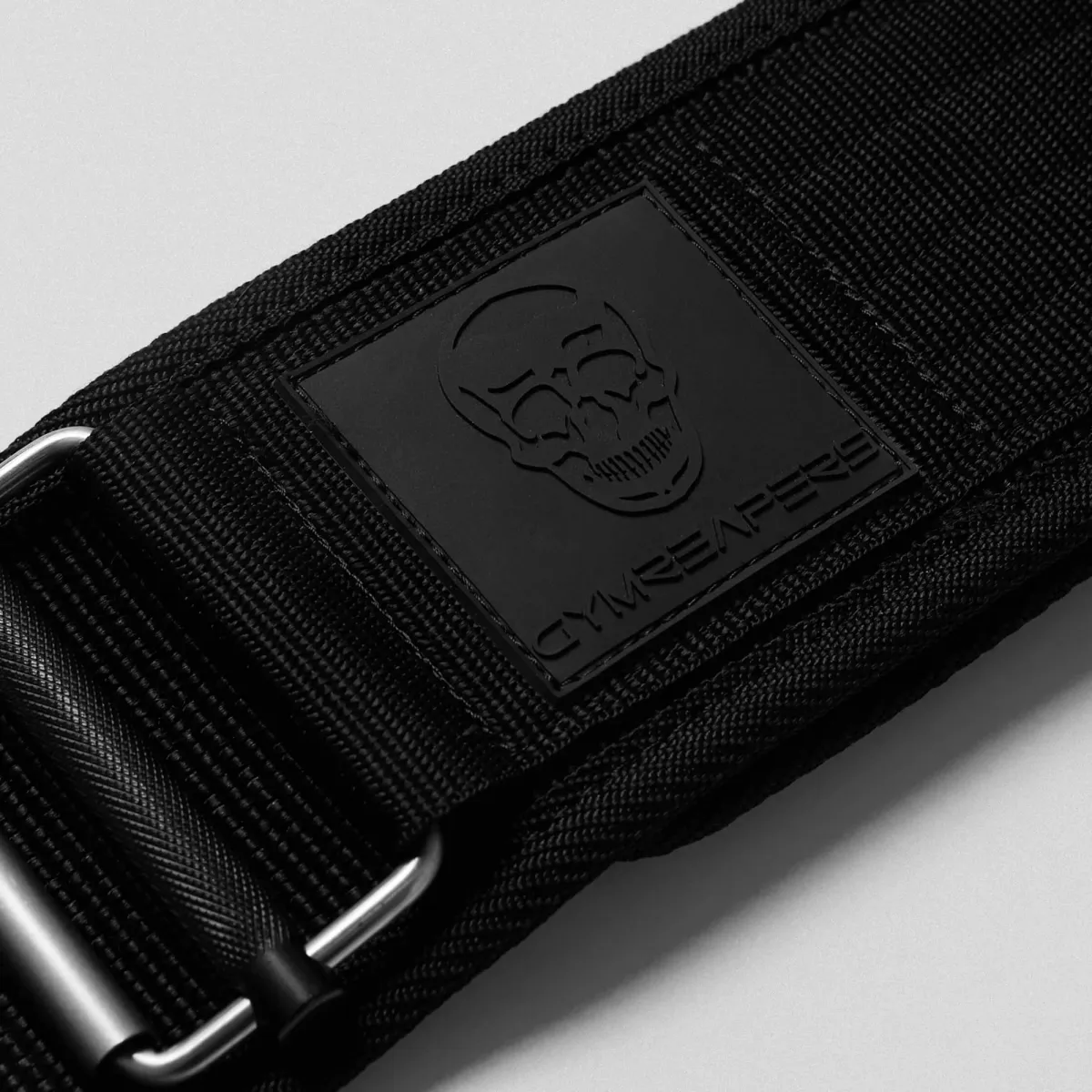
On r/weightlifting, one lifter says Velcro belts “degraded significantly within 2–3 years, but they were great while they lasted.” Gymreapers covers this one for life.
Skip it if: You squat and deadlift heavy. Get a leather belt.
10 mm is supportive and comfortable. 13 mm is stiffer and the competition maximum.
Lever: fastest and tightest. Prong: easiest to adjust. Pioneer Cut: half-inch steps.
4″ all the way round is the powerlifting standard. Tapered belts suit Olympic lifting.
Measure around your waist where you’ll wear the belt, not your trouser size.
Lifters on r/naturalbodybuilding are blunt: a belt doesn’t prevent injury. It gives your abs something to push against, so you can brace harder and lift a bit more. Learn to brace without it first.
We started with the belts on the top-ranking lists for “best weight lifting belt”, then read lifter threads on r/weightlifting and r/naturalbodybuilding. We checked thickness, buckle, federation approval, price and warranty on each brand’s own site in October 2026. We haven’t tested every belt hands-on. How we research.
Pair your belt with lifting straps for heavy pulls.
The Pioneer Cut 10 mm belt is the best lifting belt for most people. Its patented cut adjusts in half-inch steps, so it fits exactly even if your weight changes, and it's made in the USA with a lifetime guarantee for about $120. Lifters on r/weightlifting and r/naturalbodybuilding recommend it often. IPF competitors should get an IPF-approved lever belt like the SBD or Inzer.
Not directly. Lifters on r/naturalbodybuilding are clear that a belt won't stop you getting hurt; it gives your core something to brace against, so you can brace harder and lift slightly more. Good technique and sensible loading matter more.
10 mm suits almost everyone: it's supportive, breaks in faster and is more comfortable. 13 mm is the maximum allowed in powerlifting and is stiffer, which some heavy competitive lifters prefer.
Lever belts go on and off in a second and get very tight, but changing size means unscrewing the lever. Prong belts adjust easily if your weight goes up and down. A common Reddit rule of thumb: single prong if your weight changes, lever if it's stable. The Pioneer Cut gets prong-style adjustment in half-inch steps.
Once your squats and deadlifts are heavy enough that bracing is the limit, typically your heaviest top sets. Learn to brace without a belt first, then use it for heavy sets.